Radiopharmaceutical projects are some of the most complex jobs we take on; they blend highly technical manufacturing with strict safety and regulatory requirements. To dig into what really makes these facilities different, we sat down with Director of Operations, Dylan Scarpato, who oversees ARCO’s radiopharmaceutical design & construction team. Dylan shared how his team approaches coordination, design, and construction on these projects — and why the work feels especially meaningful once the facilities are up and running.
Your team has been building a lot in the radiopharma space; from a construction standpoint, what makes these projects different than other manufacturing projects?’
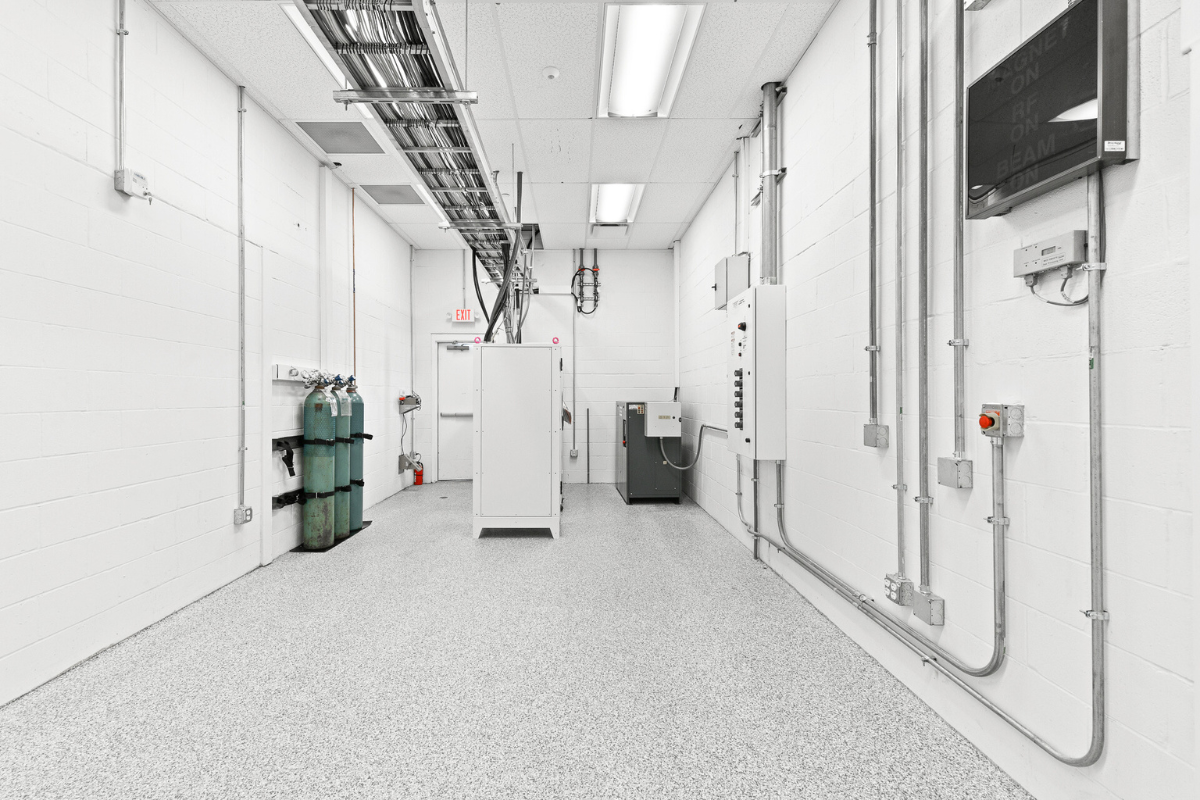
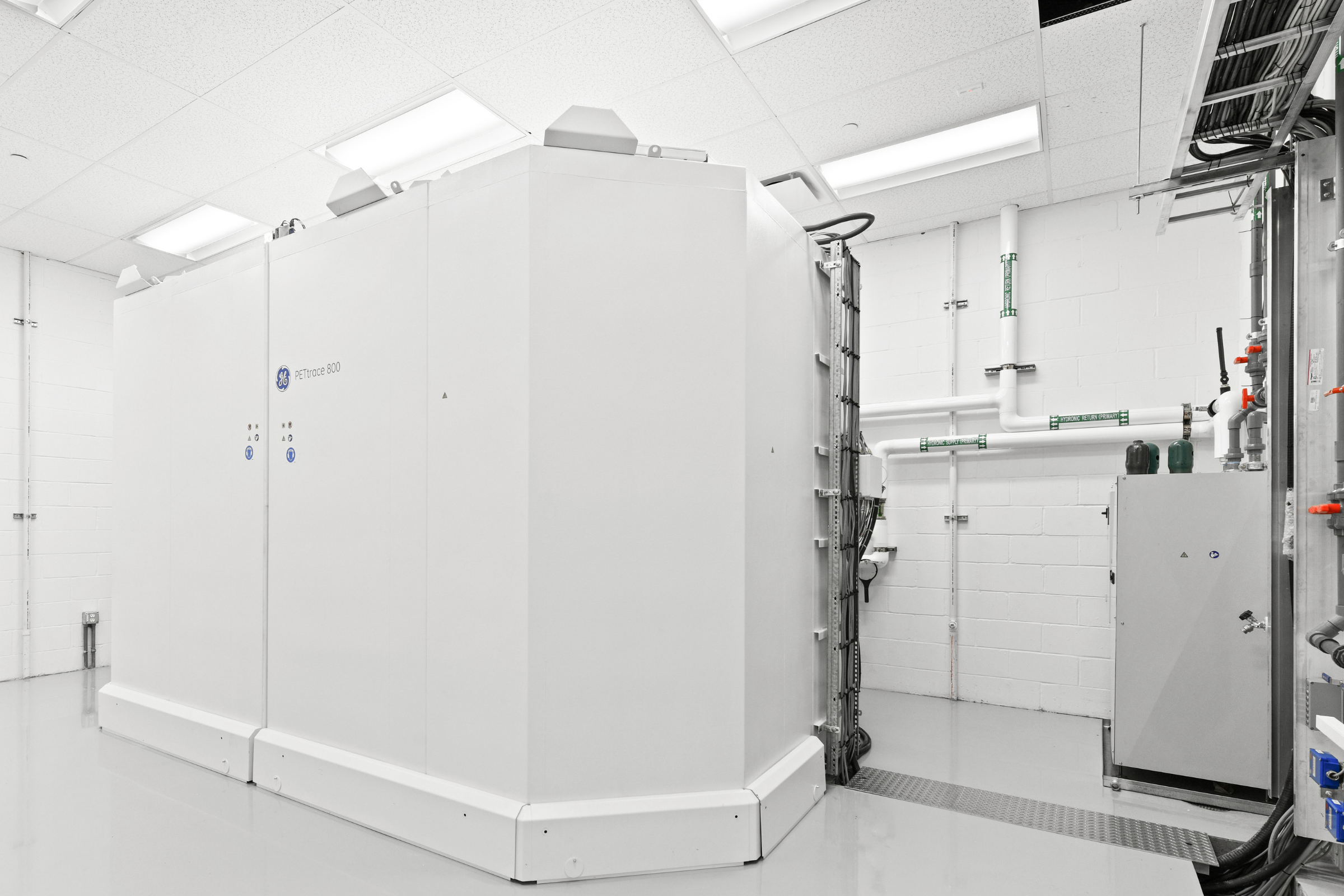
Building any type of manufacturing facility has its nuances, and radiopharma facilities have their own unique challenges. Similar to most manufacturing project, understanding material and personnel flow, equipment layouts, utility requirements, and production equipment deliveries are all critical for radiopharmaceutical facilities. However, we also need to consider radiation shielding, hazardous exhaust filtration, radioactive waste management, regulatory requirements, and GMP requirements in design and construction. Many of these decisions need to be made early because after we start installing hot cells, isotope generating equipment, and major utility systems, there is less flexibility to make changes. From a construction standpoint, you spend more time coordinating up front so you are not fighting constraints later in the field.
You mentioned spending more time coordinating up front. When does your team typically get involved on a radiopharma project, and why does that timing matter?
Ideally, we are involved even before schematic or detailed design begins. We help navigate site selection, understanding local zoning and permitted uses. We also work closely with equipment vendors on facility layouts and material, personnel, and waste workflows. This early involvement allows us to design and coordinate shielding requirements, hot cell placement, maintenance access, and utility routing before design decisions are made that hinder construction or operation.
Is that why you have seen more radiopharma clients opting to do design-build?
Yes, I think that is part of it. On these projects, too many decisions are tied together for design and construction to be working in silos. When we are all involved early, it is easier to work through shielding, layouts, and material routing at the same time instead of making decisions with incomplete information and reacting later. From the client side, it is less about delivery method and more about avoiding rework and surprises once the job is underway.
With that level of coordination and detail, it sounds like there wouldn’t be many surprises- is that true?
Not really. Even with a lot of coordination up front, radiopharma design and construction still has a way of surfacing things once you are deeper into the work. Customer isotopes change, equipment details get refined, or regulatory requirements are updated. Some of the complexity only becomes fully visible when the facility starts coming together in the field. The planning helps, but you still have to be ready to adapt as those details get resolved.
So, is it safe to say that’s what you enjoy about designing and building these radio pharma facilities? That no two days or projects are the same?
For me personally, I enjoy these projects because of what the facilities are actually doing once they are operational. Knowing the work supports cancer detection and treatment makes the long days and tough coordination feel worthwhile. It adds a sense of purpose to the technical side of the job that you don’t always get elsewhere.
Are you ready to build your next radiopharmaceutical manufacturing project? We’re here to help.