Multifamily Construction in the Winter: The Cold Hard Facts
As a national general contractor, we’ve learned how to build in nearly every climate. That experience becomes especially critical during the winter months, when weather conditions can quickly impact schedule, safety, and quality. To keep progress moving forward, our teams proactively adapt means and methods based on regional conditions.
This month, we checked in with projects across multiple markets to see how teams are navigating winter construction and keeping their projects on the critical path.
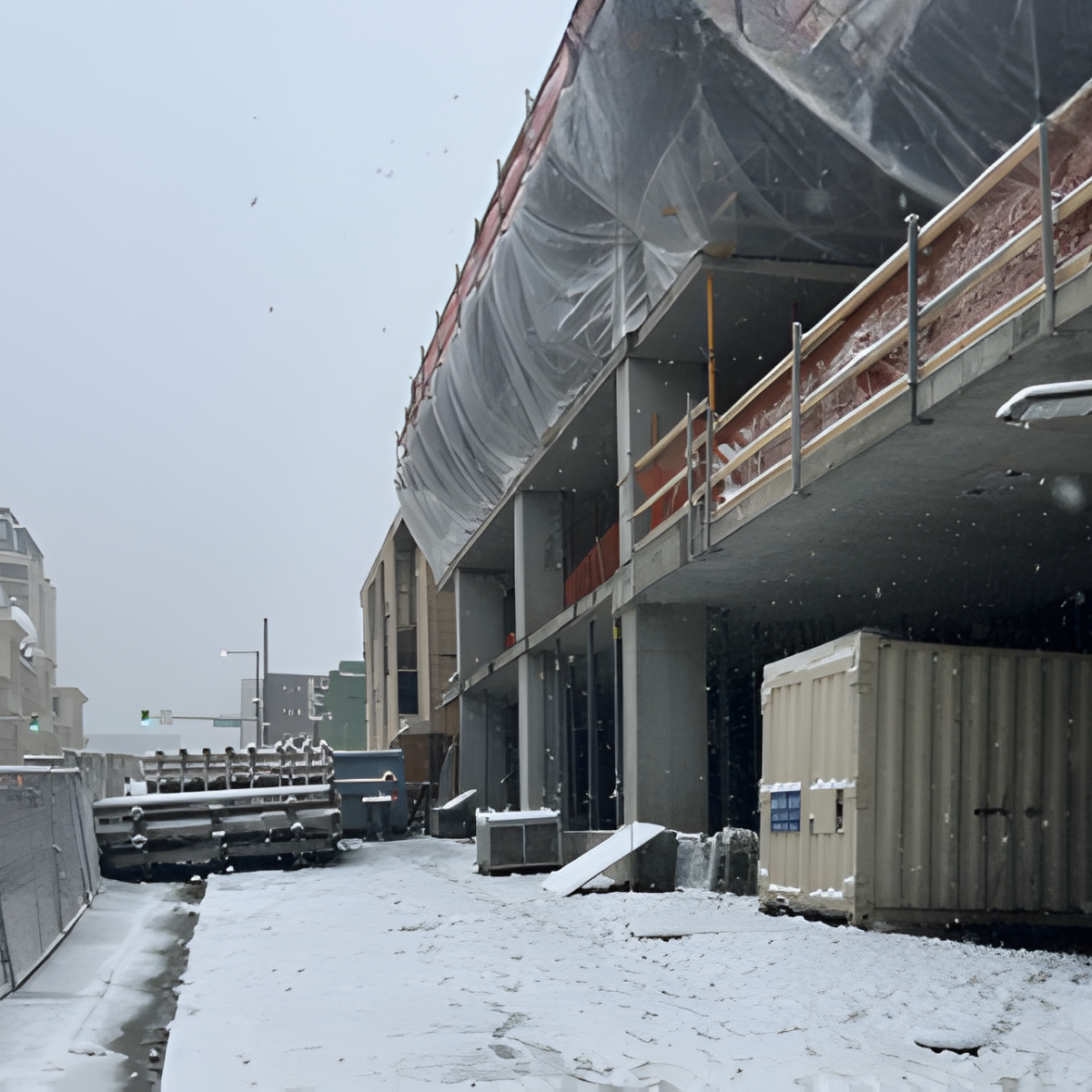
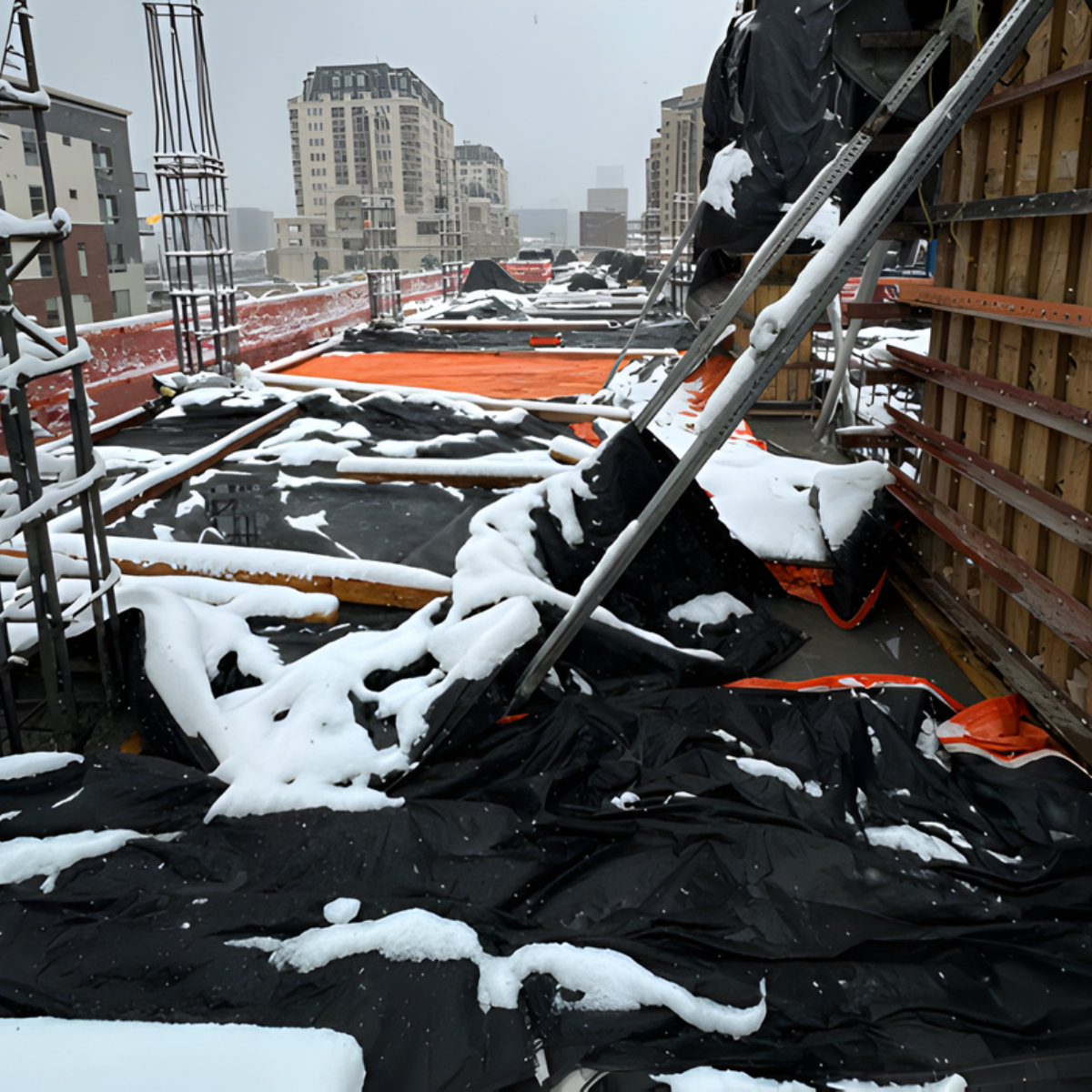
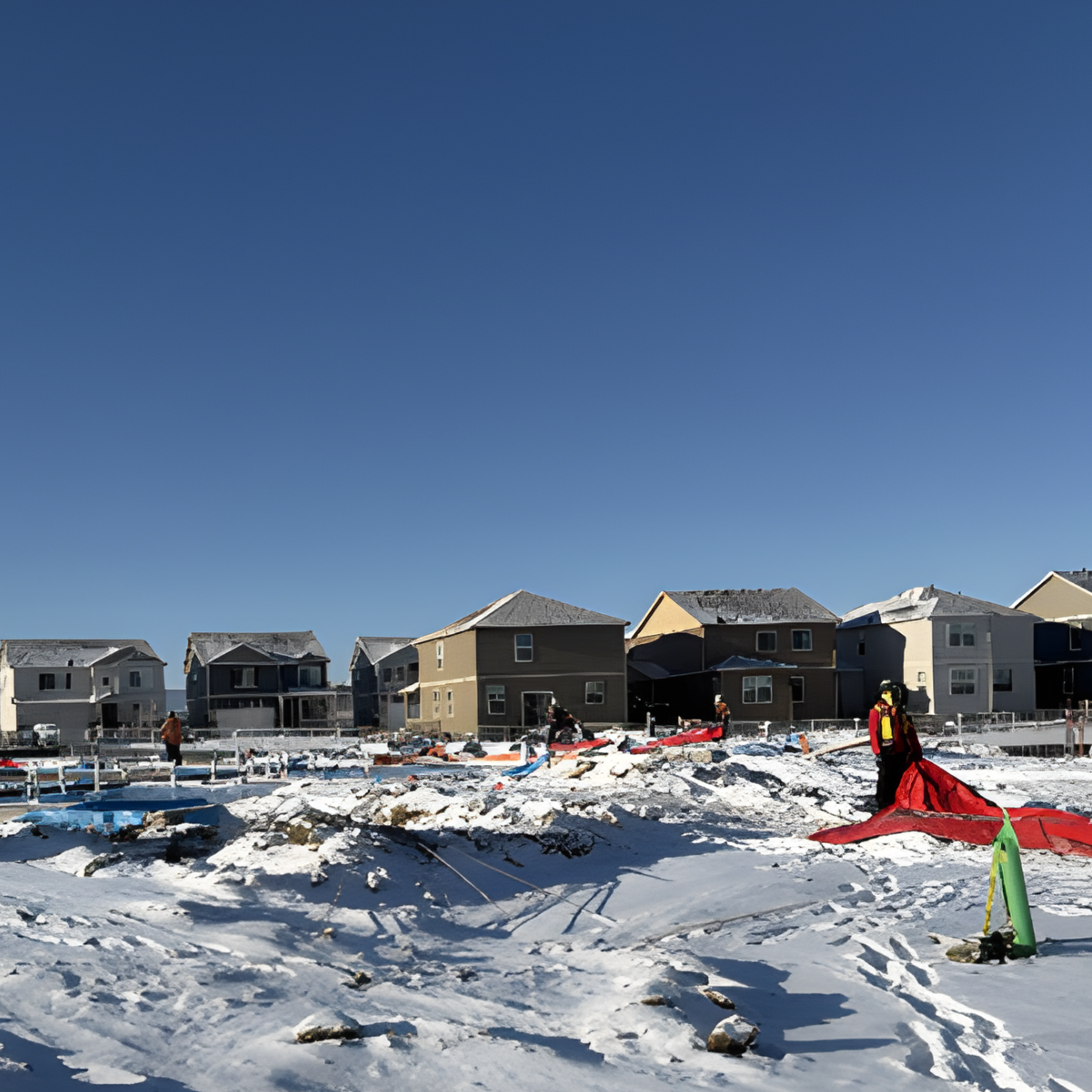
Colorado: From downtown Denver to Fort Collins, this winter has been relatively mild…but our teams didn’t take any chances. Winter condition procedures were implemented early to maintain concrete operations. On our walk up projects, these efforts included concrete winterization, ground thawing, and extensive blanketing before pours. On our high-rise projects, crews utilized snow tarps on active decks, along with tenting and heaters on the decks below. These measures allowed work to continue safely and efficiently despite fluctuating temperatures.
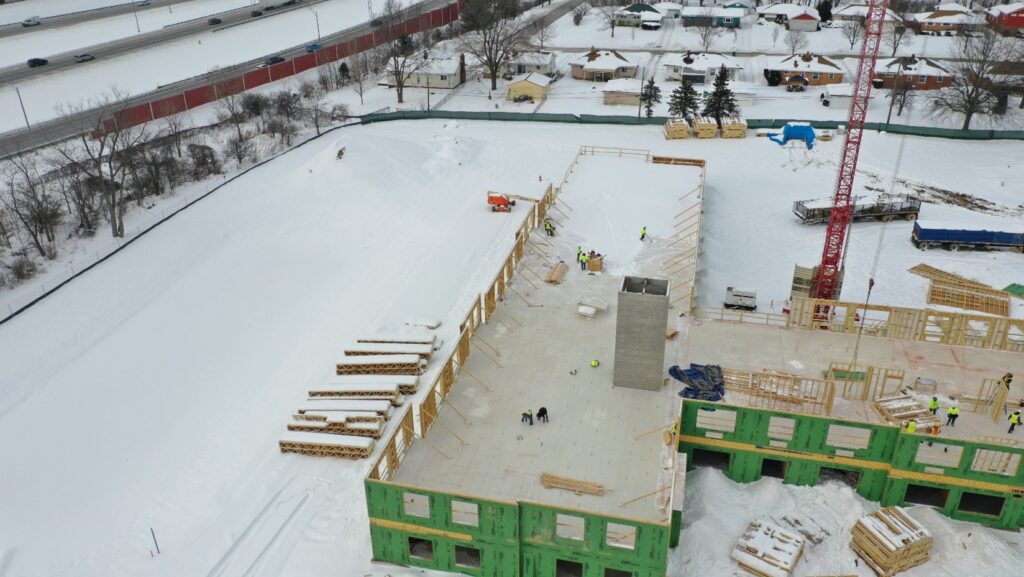
Midwest: At our senior living projects in Ohio, teams have been contending with significant snowfall while maintaining framing progress. In Bedford Heights, crews routinely removed up to two feet of snow at a time. One particularly effective tool has been the use of snow thrower shovels, which allows framers to clear areas quickly before flying in wall panels. Compared to traditional shoveling, this approach is faster and far more ergonomic, helping crews work efficiently while reducing physical strain.
Southeast: Severe winter weather is less common in the southeast, but even minor snow or ice events can have outsized impacts. Accumulations of just one to three inches can disrupt jobsite access, supply chains, and workforce mobility.
This year, Winter Storm Fern swept through the region in late January, causing widespread power outages and roadway closures. In these conditions, proactive planning is essential. Ensuring all active water lines are shut off, insulated, or properly tempered is critical to preventing frozen pipes and costly damage. Equally important is confirming that all building openings are secure to protect interior spaces, materials, and systems from exposure during extreme cold events.
Winter construction demands flexibility, foresight, and regional expertise. Whether it’s snow management, cold-weather concrete placement, or protecting critical systems, our teams adapt to every environment across the country to keep projects moving. See some of our recent multifamily work, including projects delivered in intense winter conditions, here>>