
Back

Advanced Manufacturing: A Different Construction Approach

Advanced manufacturing facilities require more from a project team than most building types. Systems are tightly connected, process requirements evolve as designs take shape, and schedules are often driven by startup rather than construction milestones, which means delivery has to be coordinated early and managed deliberately. ARCO is structured to do just that. By combining an EPC delivery model, in-house technical teams, experience with complex manufacturing facilities, and the organizational scale to support projects from early planning through commissioning, we can manage that complexity, including coordination with global partners and suppliers.

EPC DELIVERY MODEL​​

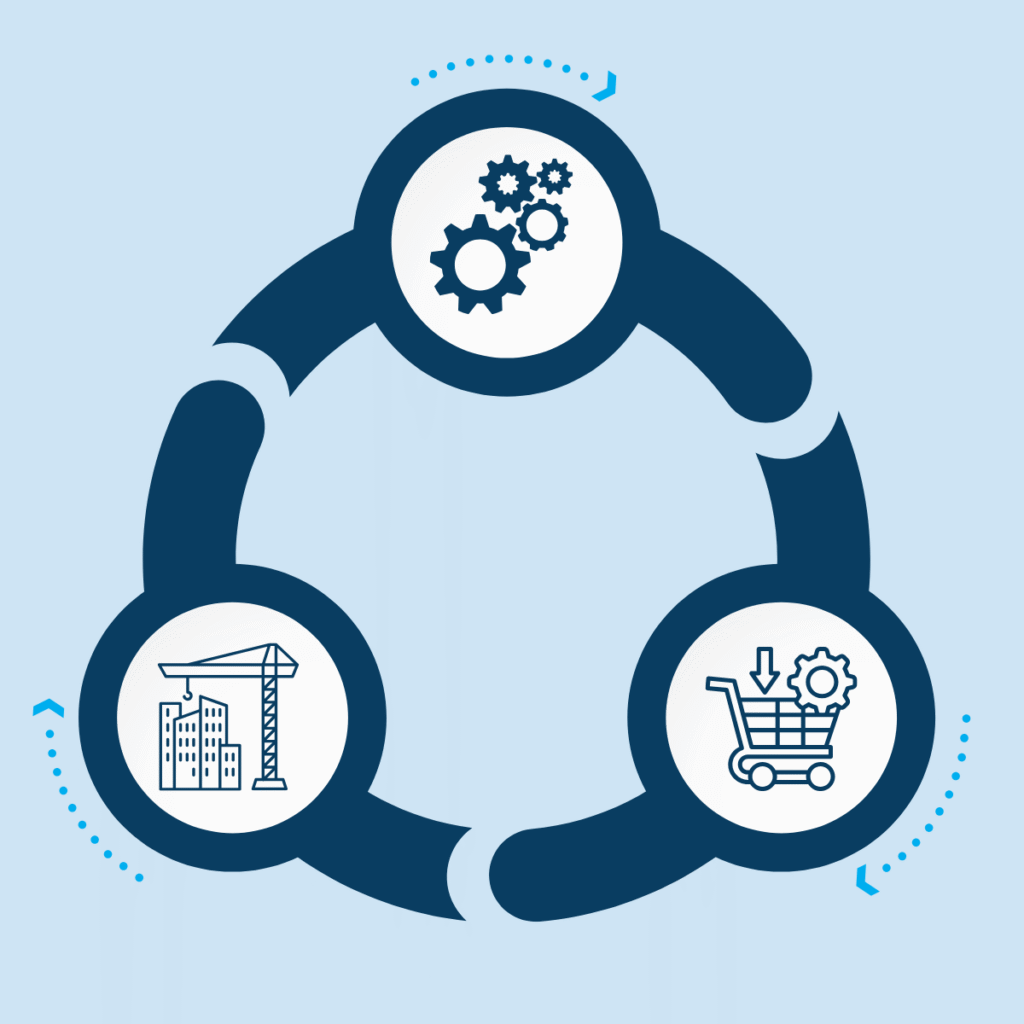
Under an EPC delivery model, engineering, procurement, and construction are managed as a single, coordinated effort, which is critical in advanced manufacturing environments where process requirements continue to evolve as projects move forward. Engineering decisions are made with direct input from construction sequencing and installation constraints, while procurement can advance on long-lead equipment and critical systems without waiting for full design completion. That coordination allows the delivery model to adapt as requirements are refined, without losing control of system integration or overall project direction. This approach reduces risk at system interfaces, particularly where process equipment, utilities, and building infrastructure intersect, and allows projects to be planned around phased execution and staged commissioning. The result is tighter control over schedule, fewer late design conflicts, and a delivery approach aligned with startup and production needs rather than traditional project milestones.

IN-HOUSE TEAMS

Our in-house capabilities are structured to manage the systems that typically drive complexity, risk, and schedule in advanced manufacturing facilities. Our process-focused mechanical contractor integrates process piping, HVAC, plumbing, prefabrication, and equipment rigging directly into the construction plan, allowing system layouts, installation sequencing, and procurement to be coordinated as one scope rather than fragmented across multiple vendors. Dedicated water management expertise supports feasibility, permitting, treatment, and reuse strategies early, which is critical for facilities with high process water demand or discharge constraints. Power solutions capability aligns electrical design and procurement for major gear, substations, and distribution systems to support reliability and future capacity needs. Controls and commissioning capability integrates building automation, industrial controls, and commissioning activities to support startup readiness and system performance. Keeping these functions internal reduces interface risk between systems, shortens coordination cycles, and maintains continuity from early planning through commissioning.

EXPERIENCE WITH COMPLEX MANUFACTURING FACILITIES

Advanced manufacturing facilities are unique because building systems, process equipment, and production requirements are tightly integrated from the start. Once equipment locations, utility routing, and system capacities are defined, there is very little flexibility to adjust later without real cost or schedule impact. Our experience in complex, highly regulated environments means we know what questions to ask up front. Questions like how cleanroom pressure relationships affect adjacent spaces, where process mechanical systems require physical separation or redundancy, how maintenance access impacts ceiling congestion, and how equipment installation sequencing aligns with system startup and validation.

ORGANIZATIONAL SIZE AND CAPACITY

ARCO is a national company with over 6,000 completed projects and more than 40 local offices across North America. Advanced manufacturing projects often require large project teams, specialized technical resources, and the ability to support multiple phases of work over extended timelines. That scale allows projects to be staffed appropriately from the start and adjusted as requirements evolve, without overloading individual teams. For facilities with aggressive schedules or expansion plans, having that depth helps maintain continuity and control from early planning through construction and startup.

GLOBAL COORDINATION EXPERIENCE

Advanced manufacturing projects often involve owners, equipment suppliers, and engineering partners located outside North America. Working in those environments requires coordinating across time zones, translating equipment and process specifications, and aligning international standards with local codes and construction practices. Experience with global manufacturers also means understanding longer procurement timelines, factory acceptance testing, and equipment delivery constraints that can directly affect construction sequencing. Managing those variables early helps prevent downstream delays and keeps on-site work aligned with off-site decisions as the project moves toward installation, commissioning, and startup.

Advanced manufacturing facilities depend on early coordination between engineering, equipment procurement, construction planning, and the systems that support production. Delivering those projects successfully requires the right structure, technical depth, and experience managing complex manufacturing environments from early planning through commissioning.

If you’re planning a new advanced manufacturing facility or expanding an existing operation, reach out- we’re here to help.

  • This field is for validation purposes and should be left unchanged.